Dec 10, 2025
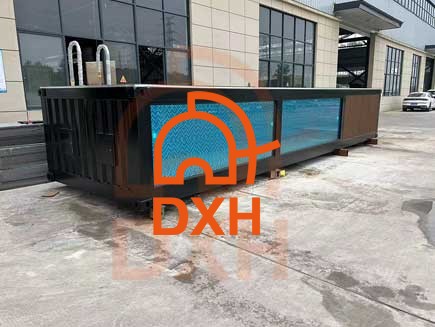
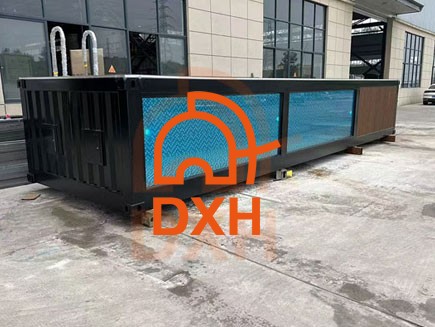
Immer mehr Hausbesitzer entscheiden sich für Containerpools in ihren Gärten. Diese Pools werden aus Containern gefertigt und vereinen Stil, Funktionalität und Nachhaltigkeit. Bevor Sie mit dem Bau eines Containerpools beginnen, sollten Sie einige wichtige Faktoren beachten, um Probleme bei der Installation zu vermeiden. 1. Örtliche Vorschriften und Genehmigungen Die Bestimmungen variieren von Gemeinde zu Gemeinde. Einige Gebiete stufen Containerpools als oberirdische Bauwerke ein, während sie in anderen als permanente Pools gelten. Eine frühzeitige Rücksprache mit Ihrem örtlichen Gemeinderat, um die lokalen Vorschriften zu verstehen, kann kostspielige Verzögerungen oder Probleme bei der Einhaltung der Vorschriften verhindern. 2. Budget- und Kostenüberlegungen Containerpools sind in der Regel günstiger als herkömmliche eingelassene Pools. Die Kosten können jedoch je nach individuellen Anpassungsmöglichkeiten erheblich variieren. Einfache Containerpools sind günstiger als herkömmliche Pools. Zusätzliche Ausstattungsmerkmale wie Heizung, Filtersysteme, Beleuchtung und Innenausstattung erhöhen die Gesamtkosten. Auch Transport- und Installationskosten sollten in die Budgetplanung einbezogen werden. DXH House bietet eine transparente Preisstruktur, damit Sie Ihren idealen Containerpool im Rahmen Ihres Budgets realisieren können. 3. Standortbewertung und Fundamentanforderungen Eine Standortanalyse dient der Feststellung der Machbarkeit der Installation eines Containerpools. Der Installationsort muss die Größe des Containers aufnehmen können und ausreichend zusätzliche Kopffreiheit bieten. Die Stabilität des Fundaments ist entscheidend für die langfristige Stabilität des Containerpools. Das Fundament besteht typischerweise aus einer Betonplatte oder einer verdichteten Kiesschicht. Ein ordnungsgemäßes Entwässerungssystem verhindert Wasseransammlungen an der Außenseite des Containers. Die Qualität des Fundaments beeinflusst direkt die Lebensdauer und die strukturelle Integrität des Pools. Hangneigung, Entwässerungsmuster und Bodenart wirken sich auf die Fundamentplanung aus. Der Boden muss das Gesamtgewicht des Containers, des Wassers und der Benutzer tragen können. 4. Installationsmethoden Containerpools benötigen ein geeignetes Fundament, um stabil zu stehen. Es gibt drei Hauptinstallationsmethoden: oberirdisch, teilweise vergraben und vollständig vergraben. Aufstellpools aus Containern sind am einfachsten zu installieren, da sie nur minimale Aushubarbeiten erfordern und bei Bedarf problemlos versetzt werden können. Teilversenkte Containerpools fügen sich harmonisch in die Umgebung ein und können die Aushubkosten reduzieren. Vollständig versenkte Containerpools bieten das traditionellste Pool-Aussehen, erfordern jedoch umfangreiche Aushubarbeiten und ein Entwässerungssystem. 5. Rohrleitungs- und Filtersysteme Die Aufrechterhaltung der Wasserqualität erfordert geeignete Filter- und Umwälzanlagen. Bei Containerpools sollten die Pumpensysteme je nach Wasservolumen ausgewählt werden. Filteranlagen entfernen nicht nur Verunreinigungen, sondern erhalten auch die Klarheit des Wassers. Die Sanitäranschlüsse müssen mit den bestehenden Anlagen des Gebäudes kompatibel sein. Eine sorgfältige Planung der Rohrverlegung und die dichte Abdichtung der Durchdringungen sind unerlässlich. Auch das Filtersystem sollte berücksichtigt werden; Soleanlagen sind stark korrosiv für Stahl, daher ist Chlor eine gute Alternative. Die Containerpools von DXH House integrieren die Versorgungsleitungen in der Regel nahtlos. 6. Heizung und Temperaturregelung Containerpools bieten verschiedene Heizmöglichkeiten. Elektrische Heizungen ermöglichen eine präzise Temperaturregelung. Wärmepumpen sind in milden Klimazonen energieeffizient. Solaranlagen nutzen Sonnenlicht, um die Betriebskosten zu senken. Gasheizungen heizen schnell auf, benötigen aber einen Anschluss an Erdgas oder Propangas. Eine gute Isolierung reduziert Wärmeverluste und Stromkosten. Schaumstoffisolierung kann vor dem Innenausbau an den Containerwänden angebracht werden, während Poolabdeckungen die Verdunstung minimieren und die Temperatur halten, wenn der Pool nicht genutzt wird. 7. Struktur- und Gestaltungsoptionen Containerpools bieten vielfältige Gestaltungsmöglichkeiten. Die Innenausstattung reicht von einfachen Anstrichen bis hin zu Mosaikfliesenböden. Vinyl-Auskleidungen sind eine kostengünstige Lösung zur Abdichtung und in verschiedenen Mustern erhältlich. Sie können Fensteröffnungen in die Containerwände einbauen, um interessante Ausblicke zu schaffen, die die Optik aufwerten. Stufen, Bänke und Sprinkleranlage verbessern Funktionalität und Komfort. Die Integration in eine Terrasse verwandelt den Poolbereich in einen vollwertigen Wohnraum im Freien. DXH House bietet Ihnen ein umfassendes Spektrum an Designleistungen, um Ihre Vision Wirklichkeit werden zu lassen. Unser Team sorgt dafür, dass Ihre ästhetischen Wünsche mit den baulichen Anforderungen harmonieren und Ihr Budget nicht überschreiten. 8. Wartungstipps Regelmäßige Wartung trägt zur Erhaltung der Wasserqualität bei und verlängert die Lebensdauer von Containerpools. Die Wartung von Containerpools ähnelt der von herkömmlichen Pools, weist aber auch einige Besonderheiten auf. Auch mit Schutzbeschichtungen benötigen Stahlcontainerpools Maßnahmen zur Rostverhütung. Regelmäßige Inspektionen ermöglichen die frühzeitige Erkennung potenzieller Korrosion und verhindern so schwerwiegende Schäden. Die Aufrechterhaltung des Wassergleichgewichts trägt ebenfalls dazu bei, die Verschlechterung der Innenfläche zu verhindern. Der Wartungsaufwand variiert je nach Klima. Poolabdeckungen schützen den Pool in der Nebensaison, wenn er nicht genutzt wird. In kälteren Regionen ist eine Winterwartung notwendig, um Frostschäden vorzubeugen. Professionelle Wartungsdienste können Probleme frühzeitig erkennen und die Lebensdauer von Containerpools verlängern. Häufig gestellte Fragen zu Container-Schwimmbecken Sind Containerpools sicher für Kinder? Bei entsprechender Umzäunung und rutschfester Oberfläche erfüllen sie die gleichen Sicherheitsstandards wie herkömmliche Schwimmbecken. Kann ich meinen Containerpool mitnehmen, wenn ich umziehe? Theoretisch ja. Es handelt sich um eine transportable und modulare Konstruktion. Die genauen Kosten hängen jedoch von der Größe und der Installationsmethode ab.
MEHR LESEN





 IPv6-Netzwerk unterstützt